Images
Profile
 The Depreciation Lands Museum, located at 4743 South Pioneer Road in Allison Park, within Hampton Township just north of Pittsburgh, Pennsylvania, serves as a captivating living history museum that transports visitors back to the late 18th and early 19th centuries. This nonprofit, volunteer-operated site recreates the daily life of early European settlers in the region known as the Depreciation Lands, offering an immersive glimpse into frontier existence amid the challenges of westward expansion. Spanning a modest but evocative parcel of land, the museum features a collection of historic and replica buildings arranged like a small colonial village, complete with period demonstrations, interpretive displays, and interactive experiences. Open to the public every Sunday from 1:00 PM to 4:00 PM between May and October (with possible extensions for special events), admission is affordably priced at $5 for adults and $3 for children, making it an accessible educational outing for families, history enthusiasts, and school groups. As of 2025, the museum continues to thrive as a Heinz History Center affiliate, hosting seasonal events, outreach programs, and a research library, all while preserving the area’s rich heritage against the backdrop of modern suburban Pittsburgh.
The history of the Depreciation Lands Museum is rooted in the broader narrative of post-Revolutionary War America and the specific evolution of Western Pennsylvania. The term “Depreciation Lands” refers to approximately 700,000 acres of territory north of the Ohio and Allegheny Rivers, extending roughly from the Ohio border eastward into Armstrong County and northward toward Butler. This land, originally the hunting grounds of the Six Nations of the Iroquois tribes, was acquired by Pennsylvania after 1784 to compensate Revolutionary War veterans of the Pennsylvania Line and Navy. Due to the depreciation of continental currency during the war, soldiers were granted land certificates instead of cash, allowing them to claim tracts in this frontier region. By 1792, the area was opened to civilian settlers, sparking a wave of migration that faced hardships like Native American resistance, lack of infrastructure, and the rigors of carving out homesteads from dense wilderness. These lands formed the foundation for communities in what is now Allegheny County and beyond, shaping the cultural and economic landscape of modern Pittsburgh’s northern suburbs.
Locally, the museum’s site has its own storied past. In 1807, Reverend John Black and a group of Reformed Presbyterian Covenanters established a small church nearby on Route 8. Doctrinal splits in the 1830s led to the construction of a new church building around 1837-1838 at the current location by the “Old Light” faction, who adhered to traditional beliefs eschewing political involvement. This simple wooden structure served the congregation until 1925, when the last member passed away, leaving it vacant. Ownership shifted over the decades—to St. Thomas in the Fields Episcopal Church in 1947 and later to Calvary Independent Baptist Church—before the building fell into disrepair. In the early 1970s, prompted by Hampton Historical Commission member Sandy Miller, Hampton Township acquired the property in 1973 to preserve the church as a museum. This marked the official founding of the Depreciation Lands Museum, dedicated on December 9, 1973, and opened to the public the following summer as part of the township’s Fourth of July celebrations. Over the years, volunteers renovated the church, relocated historic structures like the 1803 Armstrong Log House (saved from demolition during Pennsylvania Turnpike construction), and added replica buildings to recreate the village of Talley Cavey, as the area was known by 1805. The museum celebrated its 50th anniversary in 2023, highlighting its role in community education and historical preservation through living interpretations that blend settler stories with Native American perspectives.
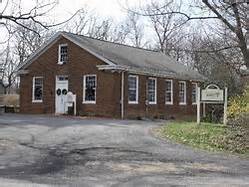
From the outside, the Depreciation Lands Museum presents a charming, rustic tableau that evokes a bygone era, nestled on a green, wooded plot just off busy Route 8. The grounds, accessible year-round from sunrise to sunset for picnicking and cemetery visits, feature a cluster of about 10 structures arranged in a compact village layout, surrounded by lawns, pathways, and an herb garden. The centerpiece is the 1837 Pine Creek Covenanter Church, a modest white wooden building with a gabled roof, simple steeple, and adjacent historic cemetery dotted with weathered gravestones dating from 1814 to 1972. Nearby stands the Armstrong Log House, a sturdy, hand-hewn log cabin with chinked walls, a stone chimney, and a shingled roof, exuding the raw authenticity of frontier architecture. Replica buildings like the red-painted schoolhouse (circa 1885 style), the blacksmith shop with its open forge and anvil visible from afar, and the mercantile with its wooden facade and signage complete the scene. A Conestoga wagon in the wagon house adds to the visual narrative of migration, while a beehive bake oven, smokehouse, and tavern contribute to the sense of a self-sufficient settlement. The overall appearance is one of serene historical fidelity—timber-framed structures in earthy tones amid greenery—contrasting with the nearby suburban development, making it a hidden gem that feels like stepping into a time capsule.
Inside the museum’s buildings, visitors encounter a wealth of interactive and educational exhibits that bring early settler life to vivid reality. The Covenanter Church doubles as the visitor center, with its interior featuring polished wooden pews, a pulpit, and modernized displays including informative panels on Native American history, settler challenges, and weaving demonstrations where interpreters showcase looms and textiles. The Armstrong Log House offers a cozy, dimly lit space furnished with period artifacts like a hearth for cooking, simple beds, and household tools, illustrating domestic routines and the herb garden’s role in medicine and cuisine. The schoolhouse replica is outfitted with wooden desks, slates, and a potbelly stove, evoking one-room education with lessons on 19th-century curricula. In the blacksmith shop, the forge glows with live demonstrations of nail-making, horseshoe forging, and tool repair, surrounded by anvils, hammers, and metal scraps. The mercantile store brims with reproduced goods—fabrics, tools, and corn pipes—where costumed shopkeepers explain bartering systems, often highlighting the use of deer skins, elk hides, and beaver pelts as currency in the fur trade economy. Additional structures include the tavern for social gatherings, the smokehouse for meat preservation, and a wigwam near a campfire setup that educates on indigenous cultures and settler-Native interactions. Throughout, volunteers in period attire engage guests without full role-playing, sharing knowledge on woodworking, hygiene practices, and community life. A research library in one of the buildings houses books on 18th-century skills, genealogical records, maps, and photos, available for family history research by appointment. Special features like beehive ovens for baking and seasonal reenactments add dynamism, making the interiors hands-on and family-friendly, though the site’s small scale ensures visits last about an hour.
Beyond its exhibits, the Depreciation Lands Museum embodies a commitment to community and education, hosting events like Hygiene Day (exploring colonial cleanliness), 18th-century music concerts, and craft classes that draw on volunteer expertise. It fosters connections by encouraging donations of local artifacts and memberships for support, with all contributions tax-deductible. Recognized for its role in revitalizing interest in regional history, the museum attracts praise on platforms like Yelp and TripAdvisor for its enthusiastic docents and kid-friendly interactions, though some note its limited hours and modest size. In 2025, it remains a vital cultural asset, blending preservation with lively storytelling to honor the resilient pioneers who shaped Pennsylvania’s frontier.
In summary, the Depreciation Lands Museum is a heartfelt tribute to early American grit, offering an authentic, engaging portal to the past through its village-like setting and dedicated interpreters. Whether exploring the church’s solemn interiors, watching a blacksmith at work, or wandering the cemetery’s quiet paths, visitors leave with a deeper appreciation for the foundations of Western Pennsylvania’s heritage.
Leave a Review